
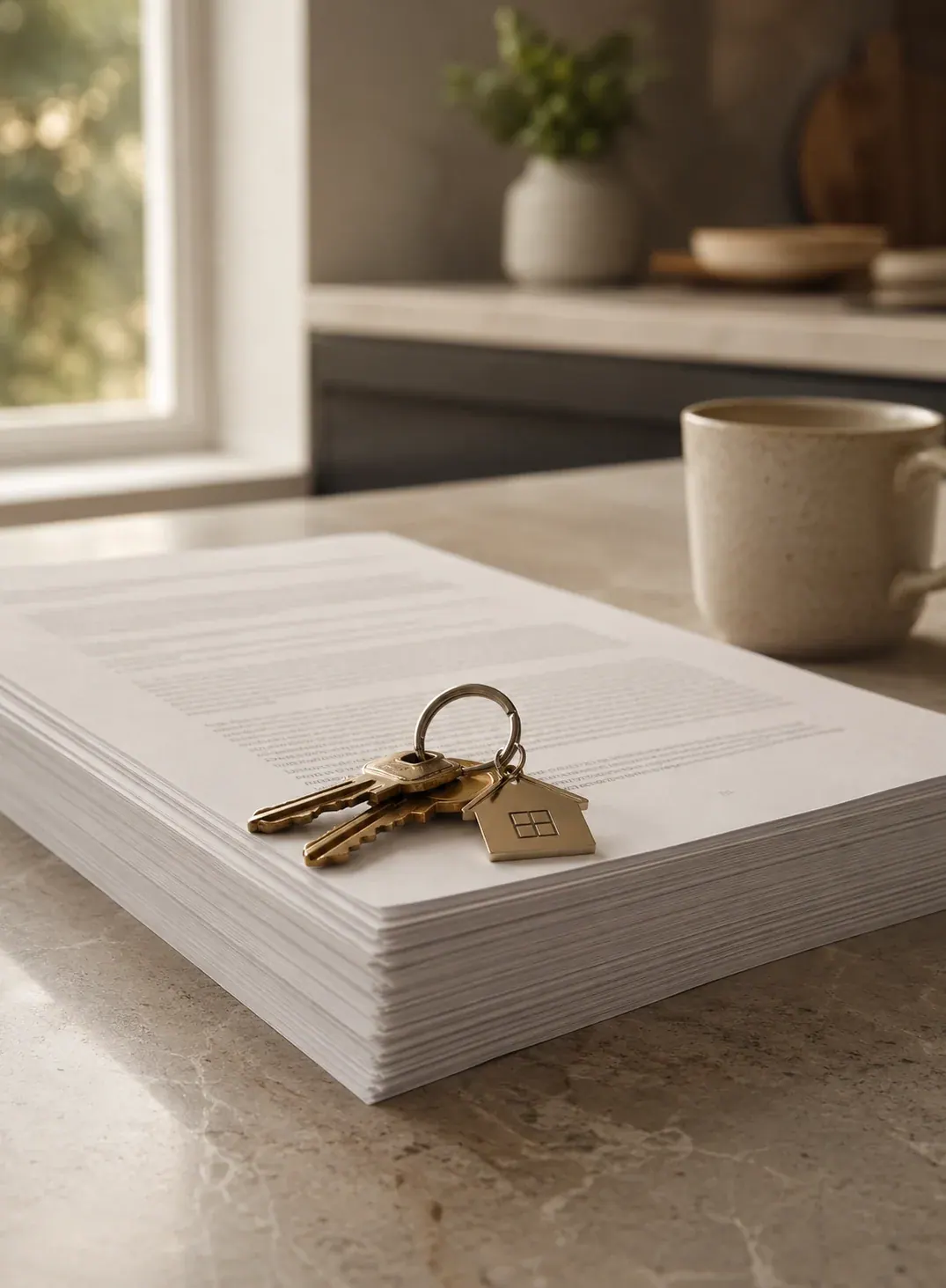
A leasehold flat is part home, part contract. Understanding the contract is what makes the rest of the system easier to navigate.


THE LEASEHOLD SYSTEM - OVERVIEW
Introduction to leasehold
In England and Wales, homes are typically owned either as freehold or leasehold. Leasehold gives a person the right to occupy a property for a fixed number of years, while the freeholder owns the building or land beneath it. Most flats are sold as leasehold - a structure that can leave owners facing unjustified charges, restrictions, and little say over how their building is run.
Despite being widely used, leasehold has been heavily criticised for the problems it creates for homeowners: escalating service charges, weak control over management, costly lease extensions, restrictive permissions, and a slow, expensive sales process. The UK Government has acknowledged that the system has "far too many problems," while the Welsh Government has pointed to "widespread criticism of poor practice" in its use. With an estimated 5.4 million leasehold homes in England alone, the scale of the problem is significant.
Built by leaseholders, for leaseholders. We empower leaseholders with practical solutions to take control of their property, reduce service charges, improve block management, and enhance the value of their most treasured asset - their homes. UNLEASE exists to shine a light on the scale of the problem, improve fairness and transparency, and push for a model that truly works for the people who live in these buildings.
What is leasehold
Leasehold means you own the right to occupy your home for a fixed number of years, not the land it sits on. The freeholder owns the land and building itself, controls building management, and charges you ground rent and service charges as per the lease for as long as you own your home.
A leasehold flat is part home, part contract. Understanding the contract is what makes the rest of the system easier to navigate.
That is why leasehold often feels different from ordinary home ownership. You may have bought the flat in full, but important decisions about management, works, permissions, and long-term costs still sit with someone else, despite you picking up the bill for these.
Costs In Practice
For many leaseholders, service charges and ground rent have become one of the largest household expenses - rising significantly faster than inflation spiking unexpectedly when budgets, insurance, or major works are mismanaged.
Average annual service charge, England & Wales (2025)
Total rise in service charges over five years
Service charges growth above inflation over 10 years
Leaseholders who think their service charge is too high
Leasehold flats now have service charges over 1% of property value.
Annual service charge bills in some London developments
Average annual ground rent for leaseholders (2024)
Total ground rent paid over 150 year lease if £100 doubles every 10 years
Where problems usually start
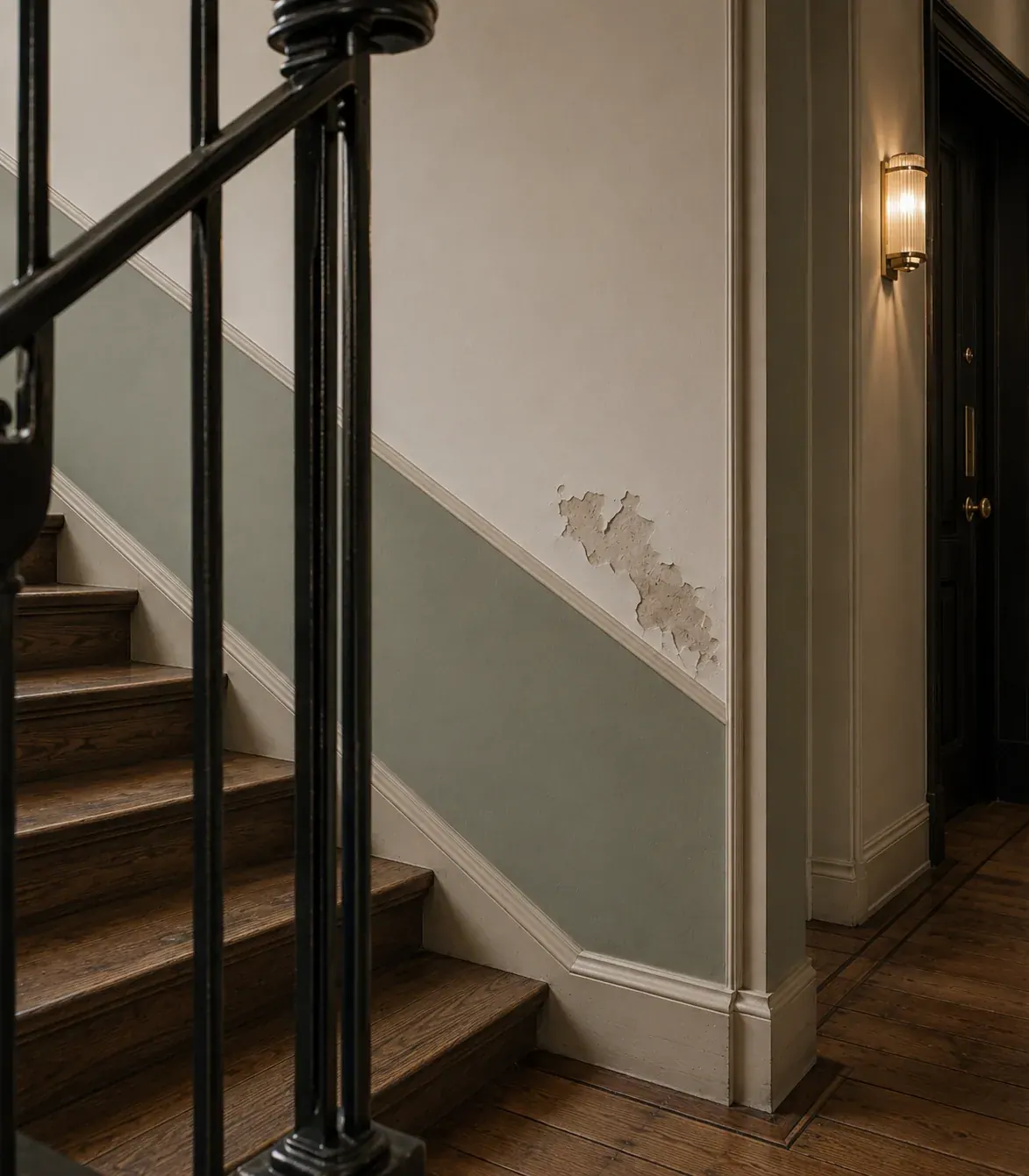
Not every building is poorly run. But when problems do appear, they tend to follow familiar patterns: weak transparency, delayed maintenance, slow responses, and costs that are hard to test properly.
Your Restricted Rights
As a leaseholder, your control over your own home is more limited than most people realise when they buy.
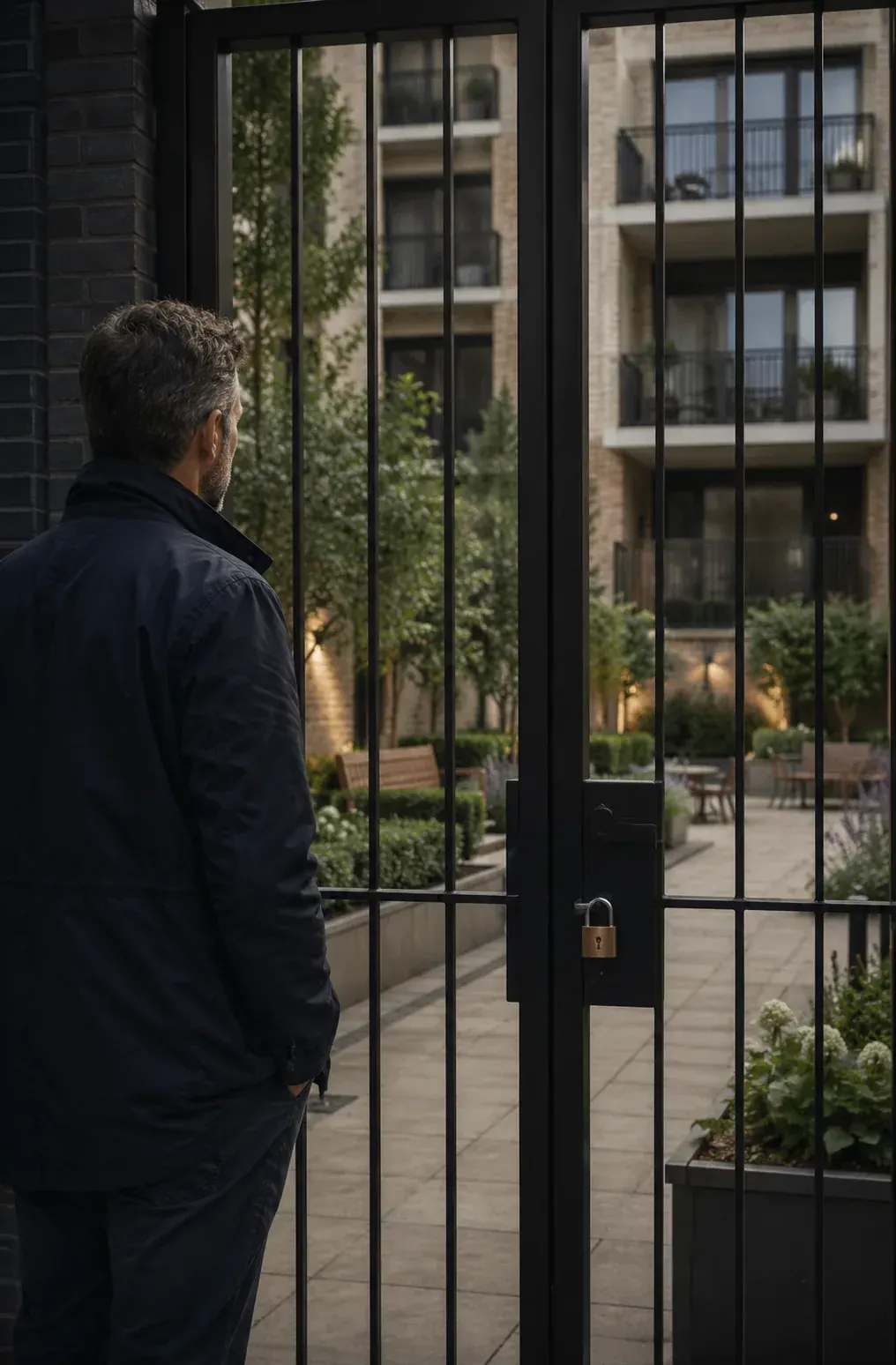
The good news is that rights are improving, reform is accelerating, and UNLEASE exists to help guide you to use every right available to you today.

The Direction Of Reform
Reform matters, but the practical takeaway is simpler than the politics: the system is being reshaped in stages, and leaseholders still need to use the rights available now rather than wait for perfect change later.
The old system gave leaseholders too little control and clarity. Now, new laws are shifting power, but stronger rights only help those ready to use them. Preparation is key.
More changes are coming - from ground-rent caps to a move toward commonhold - all aimed at giving residents more control and better long-term security.
These reforms can strengthen value, transparency, and control, but they are not automatic solutions.
UNLEASE helps turn reform into action - clarifying what applies, organising blocks, and guiding smarter decisions.
Explore Further
This section is designed to help you fully grasp the complicated system. Start with the mechanics, the terminology, the history, or the people around the system.
YOUR NEXT STEP
Get a personalised view of your leasehold position and the practical actions available to you now.